Spun Pile Types and Specifications
This reference guide covers what a spun pile is, how spun piles are classified, the standard sizes and lengths on offer, dimensional tolerances, handling requirements and strength testing, all with reference to MS 1314 Part-4.
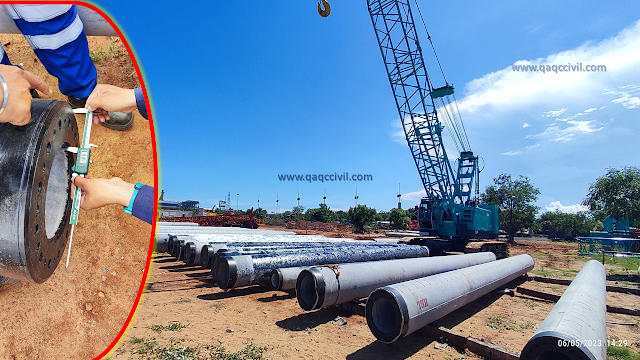
What Is a Spun Pile?
A spun pile is a precast concrete pile made from prestressed concrete to boost its load-carrying capacity. It is produced by a centrifugal spinning process running at roughly 20g to 30g, which densifies the concrete and makes it stronger than square piles. The finished concrete has low permeability, helping to shield the pile from air and chloride exposure and to prevent rusting. That makes spun piles a good fit for demanding conditions such as river, marine or high-chloride soils.
Reference standard: MS 1314 Part-4.
Classification of Spun Piles
Spun piles fall into three groups: Class A, Class B and Class C. Every class calls for a minimum 28-day concrete strength of 60 N/mm² and a minimum cement content of 420 kg/m³, and all are intended for hammer driving. What separates the classes is their minimum effective prestress.
- Class A — minimum effective prestress 4.0 N/mm²
- Class B — minimum effective prestress 5.0 N/mm²
- Class C — minimum effective prestress 7.0 N/mm²

Standard Sizes and Lengths of Spun Piles
The standard size and length table gives outside diameters of 250 mm, 300 mm, 350 mm and 400 mm, along with nominal wall thicknesses and the pile lengths available for each diameter and class. Depending on diameter and class, piles come in lengths of 6 m, 9 m, 12 m, 15 m and 18 m.
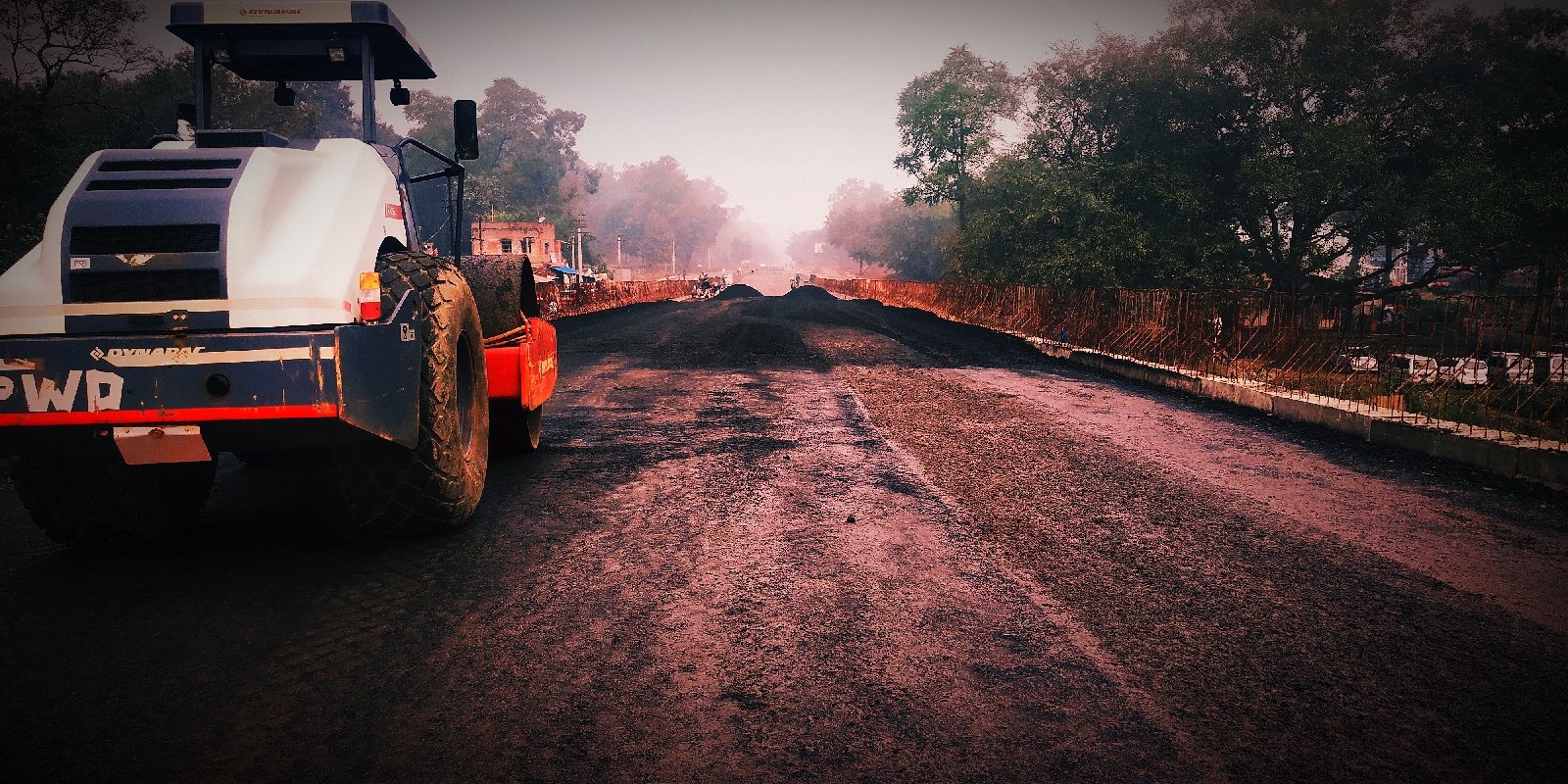

Spun Pile Dimensional Tolerances
The permitted deviations for spun piles are summarised below.
- Pile length up to 12 m: ±25 mm
- Pile length exceeding 12 m: ±0.3% of cast length
- Cross-sectional nominal external diameter or size: −3 mm to +6 mm
- Wall thickness of hollow section: −3 mm to +10 mm
- Straightness: no face may deviate more than 6 mm from a 3 m straight edge laid on that face; the centroid of any cross-section may not deviate more than 12 mm from the straight line joining the centroids of the pile faces
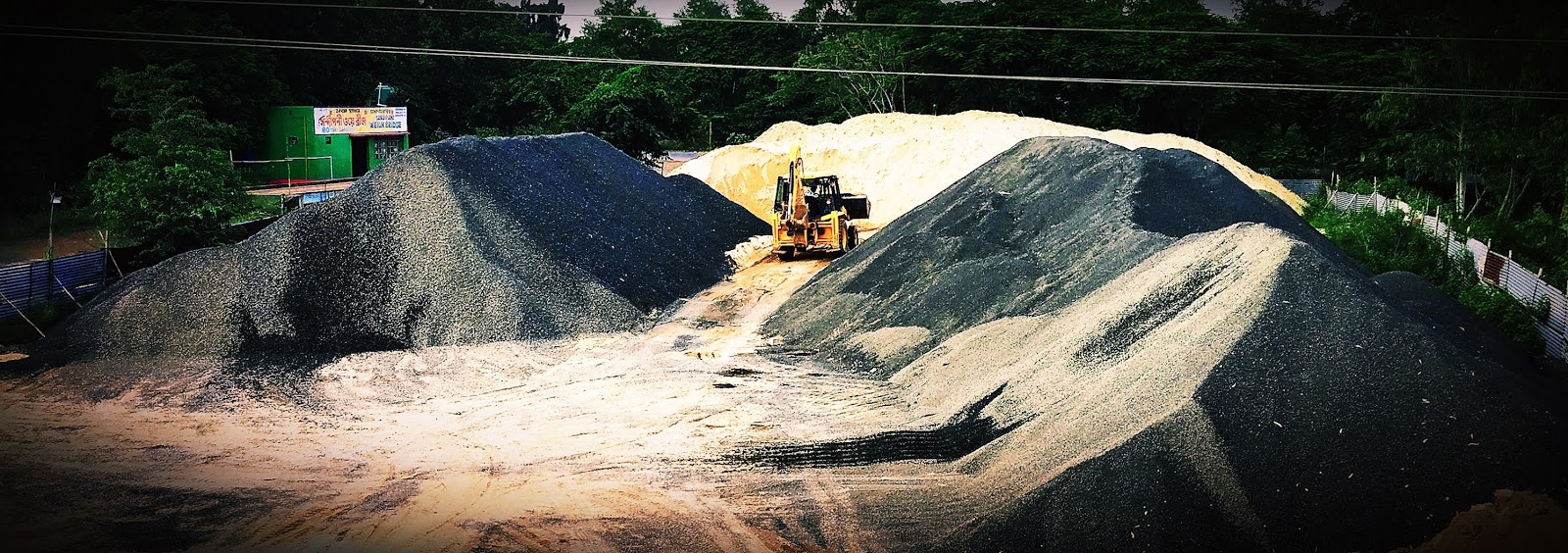
Handling of Spun Piles
A pile segment must not be lifted from its mould until it reaches a minimum cube strength of 30 N/mm². Lifting line markings sit at 0.2 times the pile length measured from each end, and they are needed only on piles longer than 9 m to help with handling.
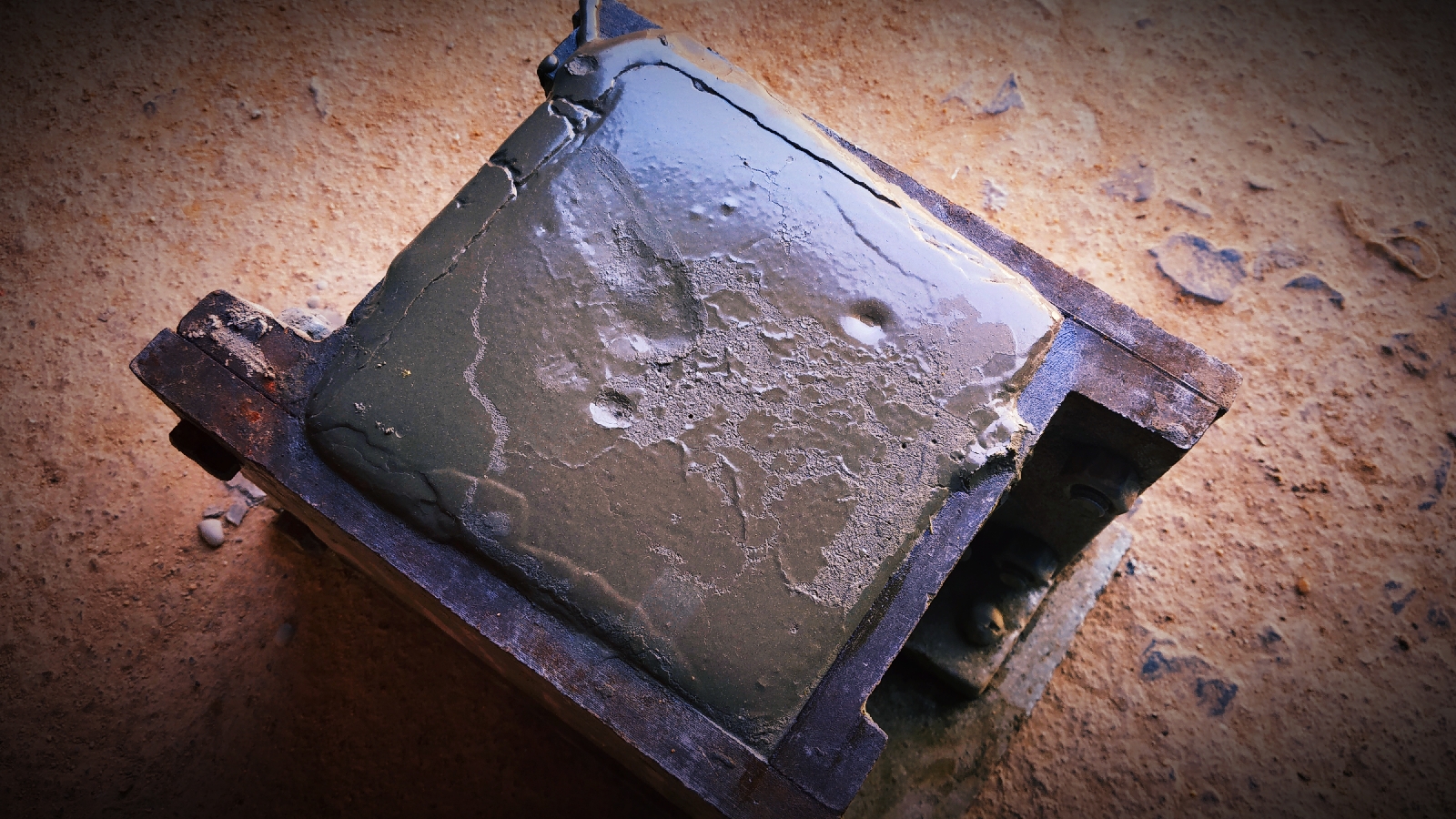
Spun Pile Strength Testing
Strength verification involves the following checks:
- 28-day cube strength in accordance with IS-516
- Bending strength of the pile in accordance with MS 1314 Part 2, covering pile body strength and pile joint strength
Frequently Asked Questions
About the Author

Tapas Kumar Sarkar — head to the author's profile for more engineering and QA/QC content.
Visit ProfileExplore More
HomeSpun Pile Type & SpecificationCommentsPost a CommentReport AbusePowered by BloggerWhether you are checking a pile design against MS 1314 Part-4 or planning site handling, this guide brings the key spun pile data together in one place. Use the class, size and tolerance tables to confirm what each diameter and class delivers before specifying or accepting piles on site.